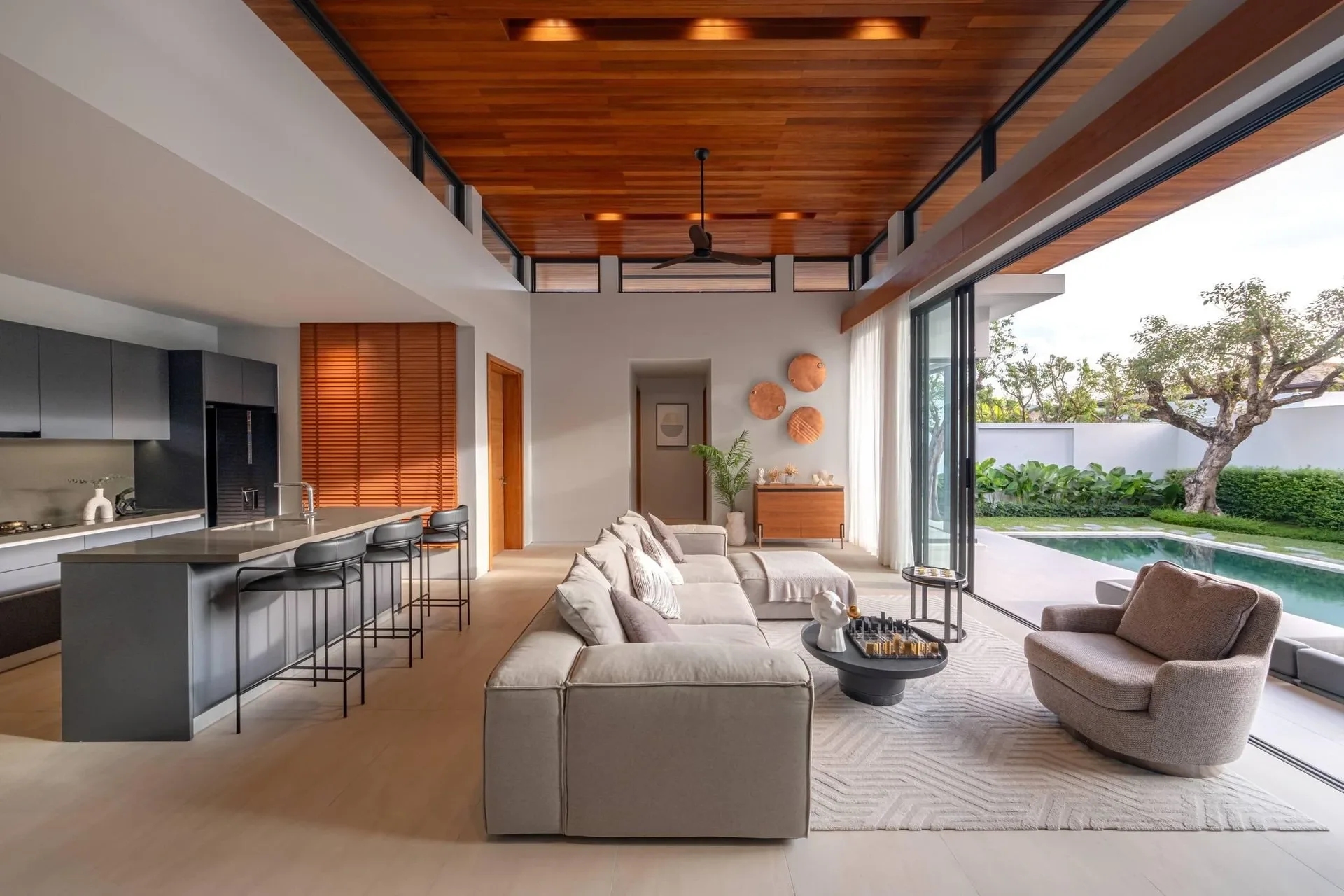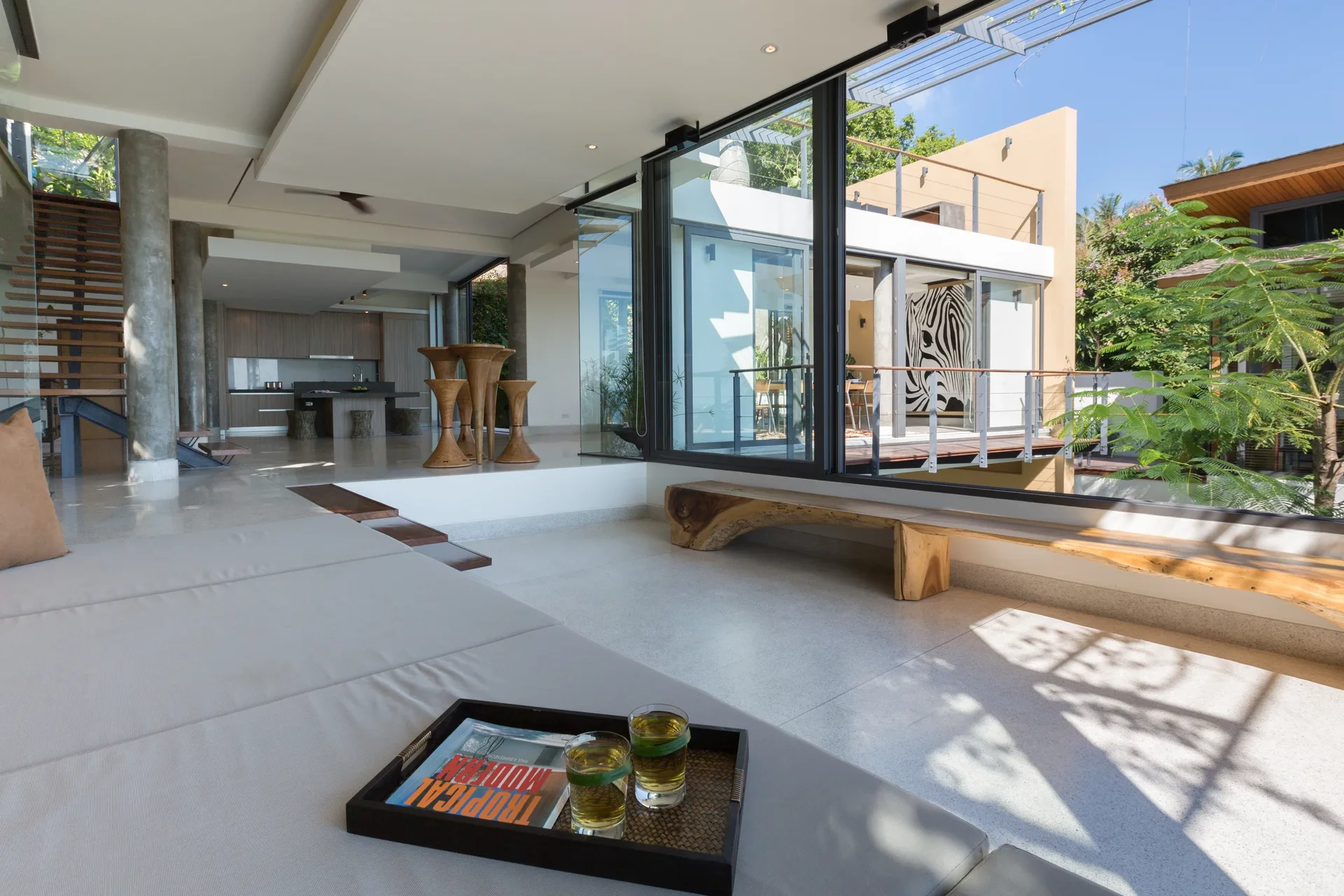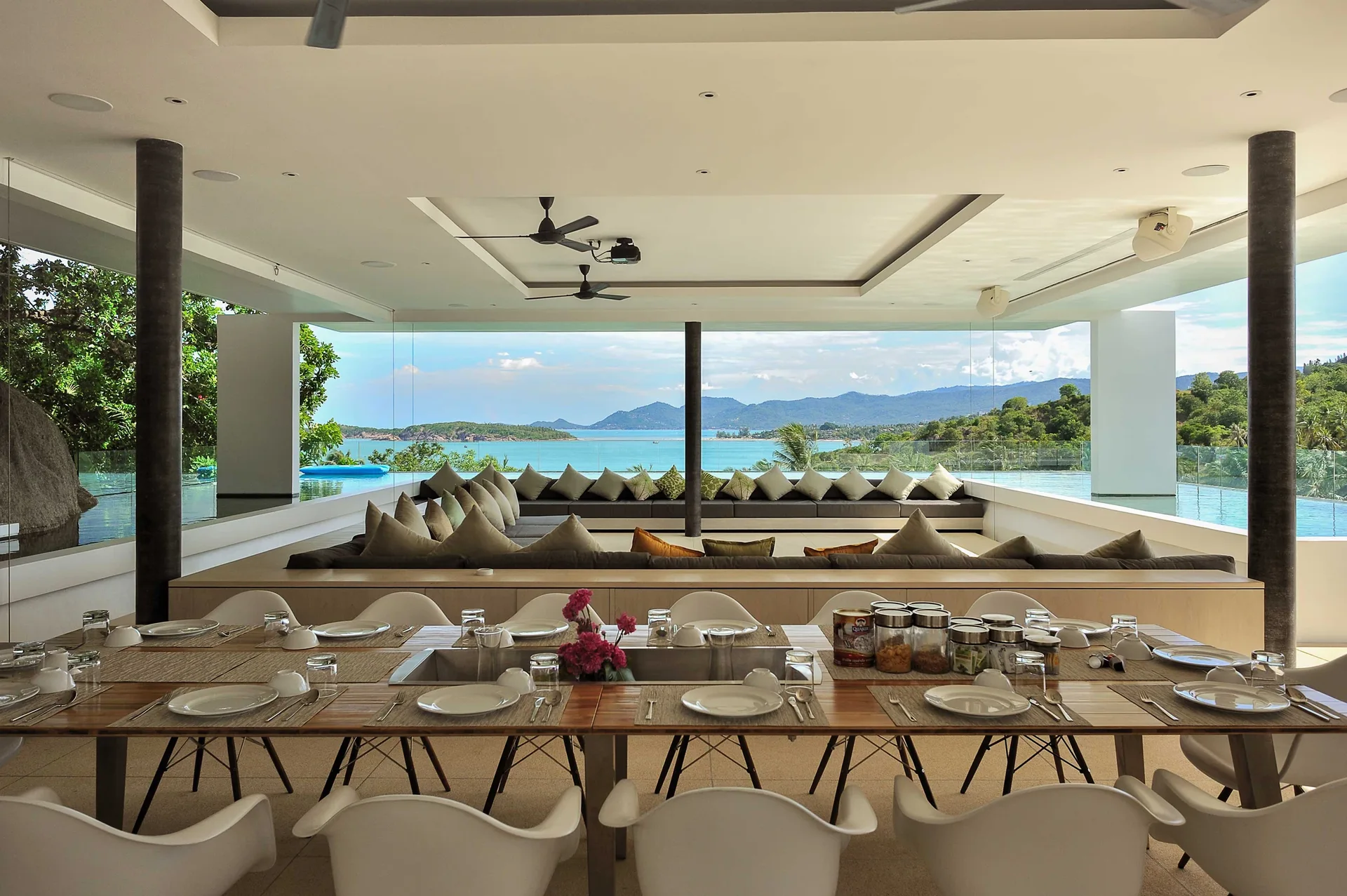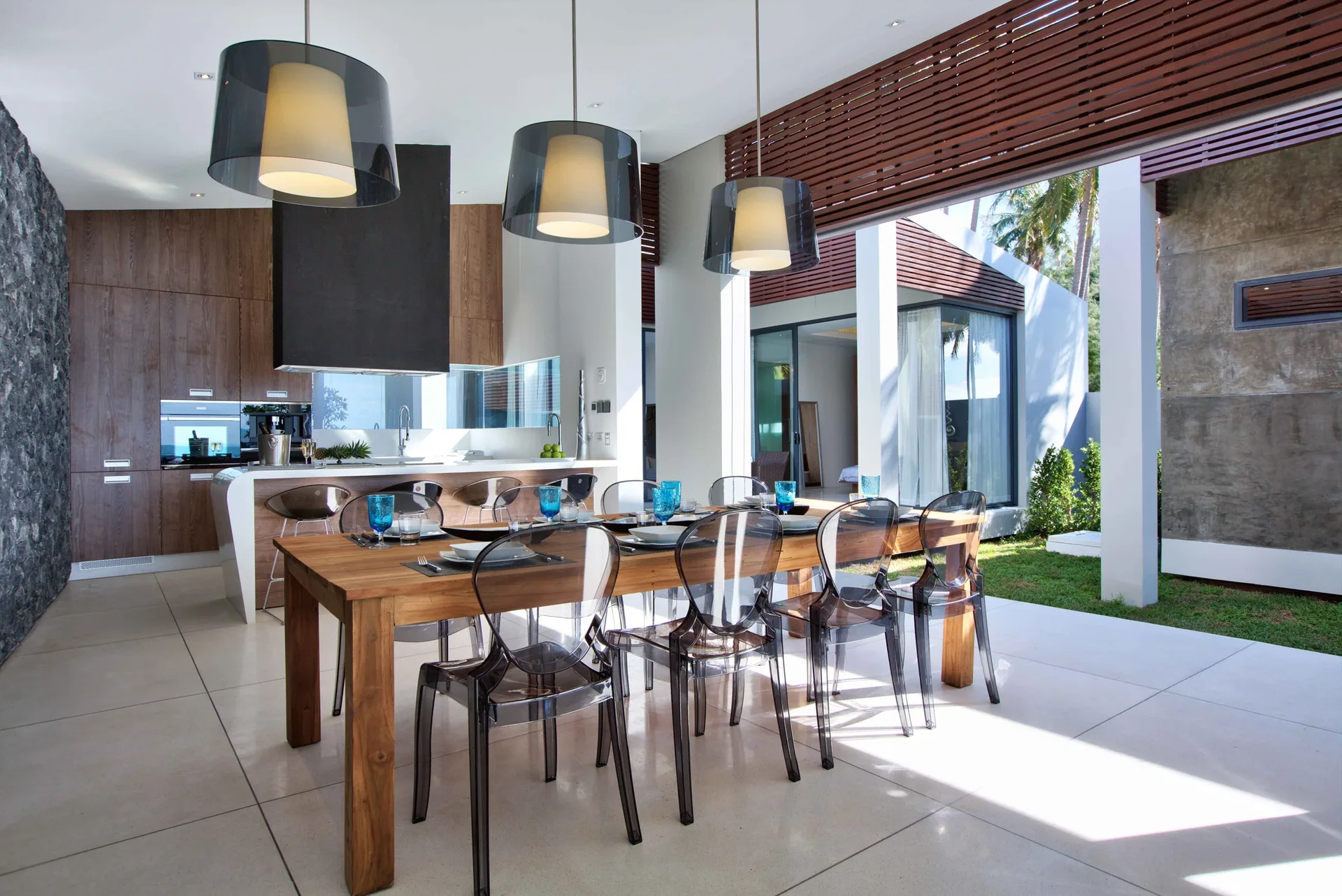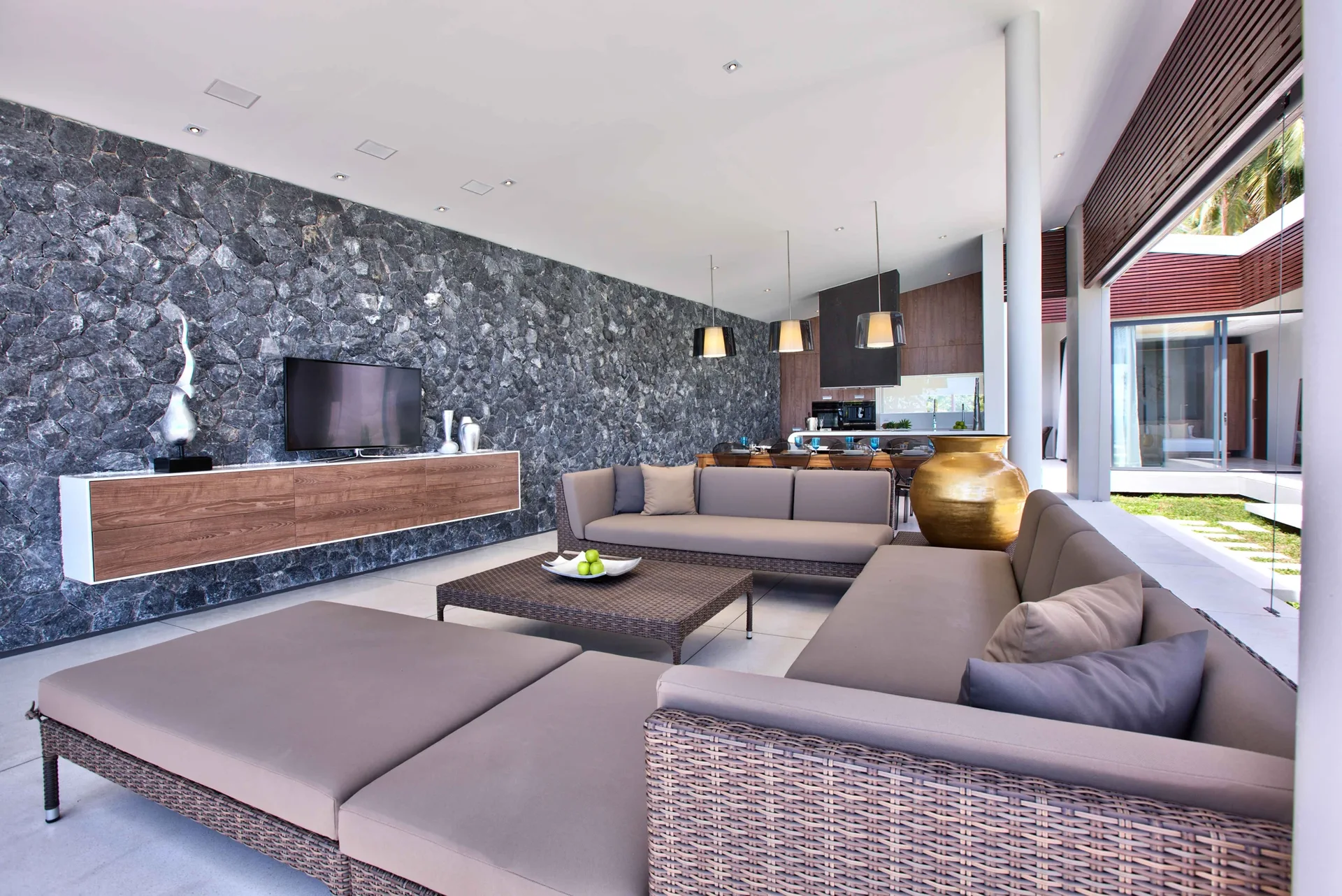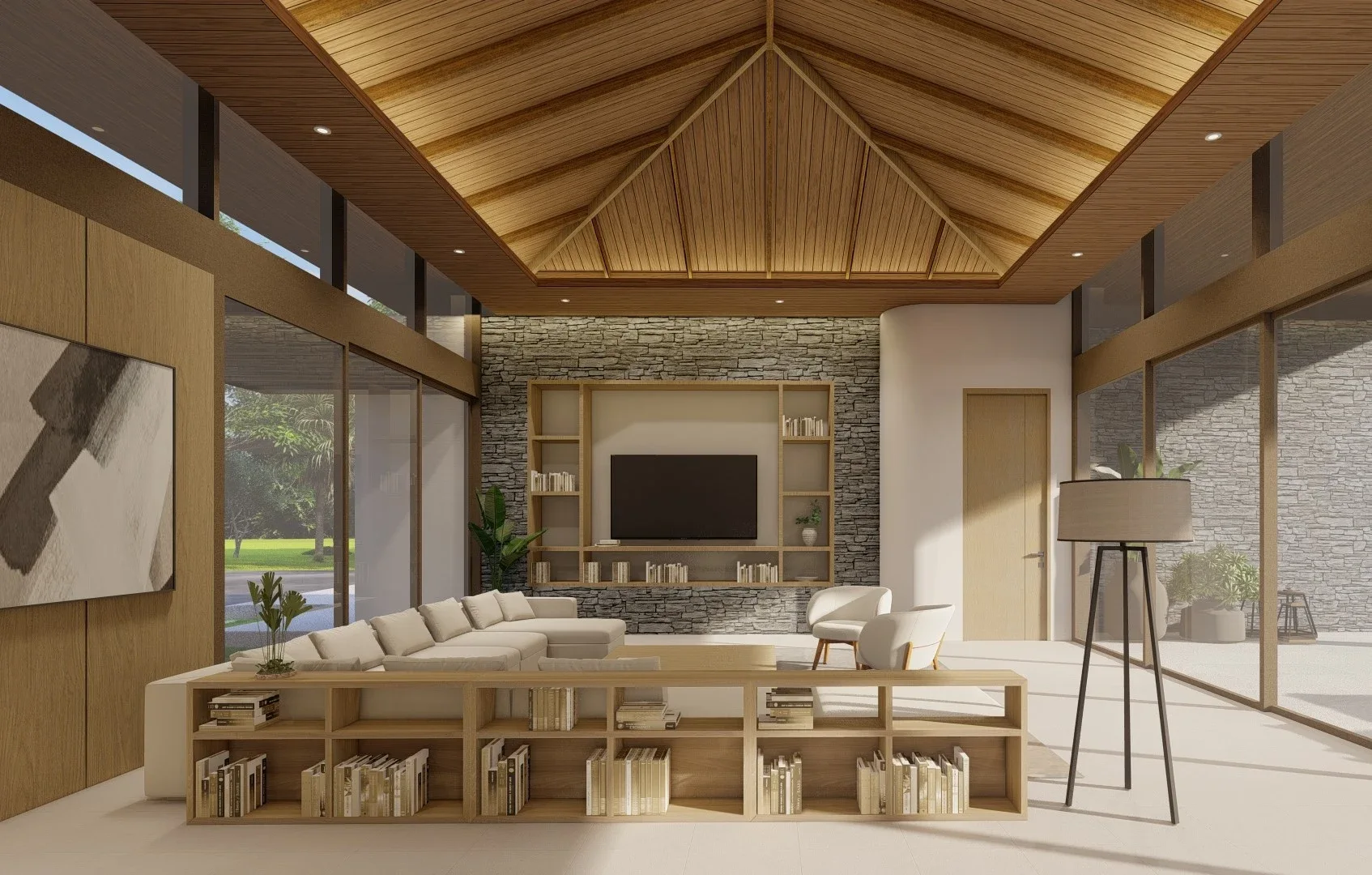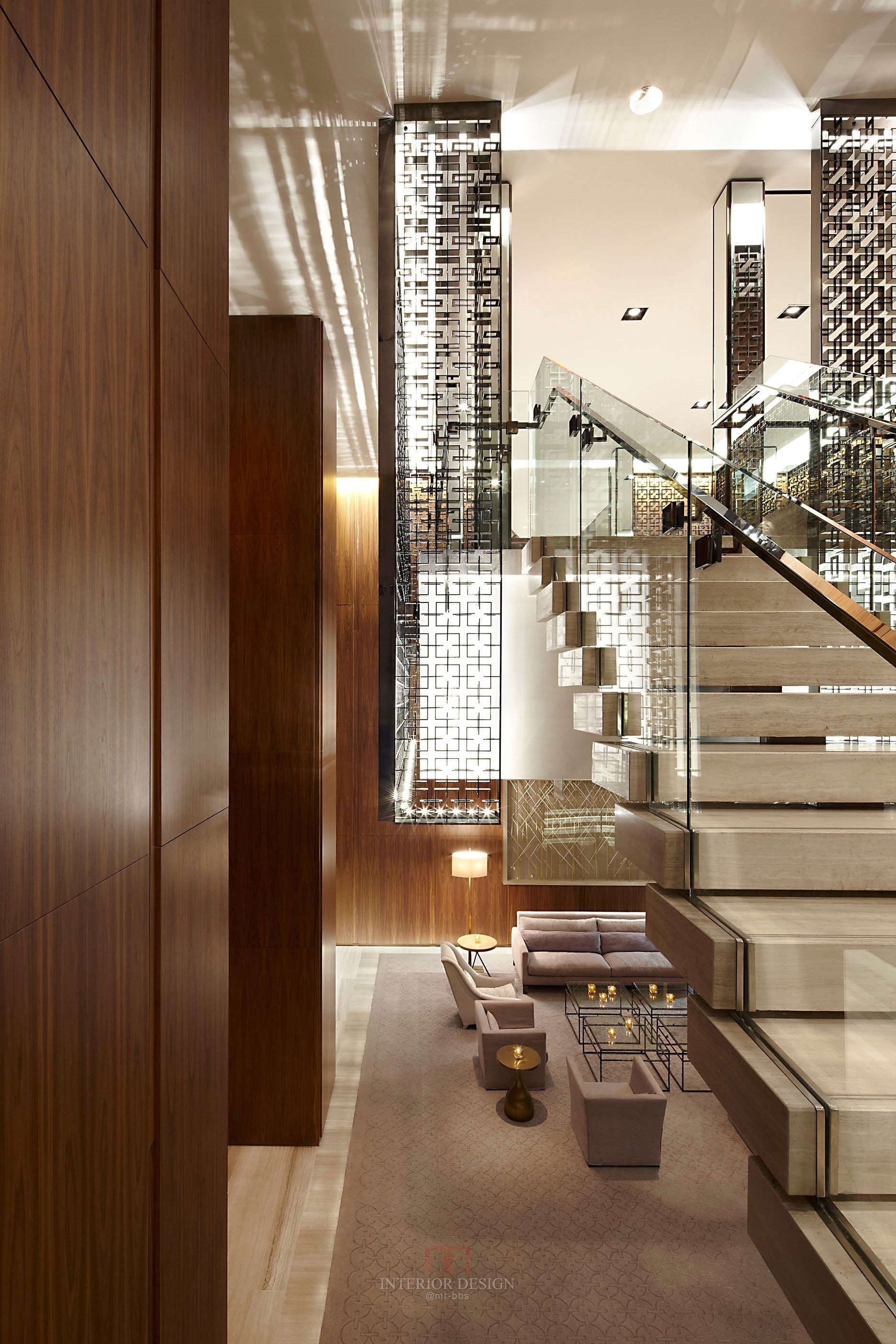
Restaurant Interior Design Phuket — Where Dining Becomes an Experience
In Phuket—where turquoise waves meet tropical breezes and street food stalls sit beside Michelin-recognized kitchens—dining is never just about the plate. It’s about the journey: the first glimpse from the sidewalk, the scent of lemongrass in the air, the soft glow of lantern light on teak, the sound of distant waves blending with quiet conversation.Restaurant Interior Design Phuket
At our firm, we believe Restaurant Interior Design Phuket isn’t decoration—it’s emotional choreography. We design not for Instagram, but for memory. Not for trends, but for truth: truth to Thai hospitality (nam jai), island climate, and the rhythm of island life.
“อาหารอร่อยไม่พอ—ต้องให้แขก รู้สึก ด้วย.”
(Delicious food isn’t enough—you must make guests feel something.)
Beyond Aesthetics: The Anatomy of an Experience-Led Restaurant
Great restaurant design begins long before paint or furniture. It starts with a question: What story do you want your guest to remember?
In Phuket’s competitive landscape—from beachfront venues in Bang Tao to hidden gems in Old Phuket Town—success belongs to those who craft full-sensory narratives. Here’s how we do it:
1. Spatial Flow That Feels Effortless
We map the guest journey like a film director:
- Entry: A moment of pause—a shaded sala, a water feature, a whiff of frangipani—to signal transition from street to sanctuary
- Seating: Intimate nooks for couples, communal tables for groups, bar seats for solo diners—each zone calibrated for purpose
- Exit: A final impression—a curated retail shelf, a handwritten thank-you note, or a view of the moon over the Andaman
For a seafood concept in Kata, we designed a “tide path”—a winding route from entrance to table that mimics walking along the shore at low tide, subtly guiding guests while building anticipation.
2. Sensory Layering: The Invisible Magic
- Lighting: Warm, dimmable LEDs that flatter skin and food; indirect cove lighting to soften edges; candlelight only where safe and authentic
- Acoustics: Woven rattan panels, fabric drapes, and indoor greenery absorb street noise and clatter, creating pockets of calm
- Materials: Reclaimed teak from old Thai fishing boats, hand-glazed ceramics from Chiang Mai, locally quarried stone—all chosen for texture, not just looks
- Scent: Subtle diffusers with notes of kaffir lime, coconut husk, or hinoki—never overpowering, always evocative
These elements work together so seamlessly that guests can’t pinpoint why they feel relaxed—they just do.
3. Brand Storytelling Through Space
Your restaurant’s identity should be felt in every detail:
- A Southern Thai grill uses charcoal-black plaster walls and copper grills as focal points—honoring traditional kra ta cooking
- A modern Thai omakase features indigo-dyed textiles and minimalist lacquer—bridging heritage and innovation
- A beach club in Nai Harn blends driftwood, sea glass, and coral-inspired textures—without kitsch
This isn’t theme design. It’s cultural authenticity, elevated.
4. Operational Intelligence Behind the Scenes
Beauty without function fails. In Phuket’s humid climate and high-turnover environment, we embed efficiency:
- Back-of-house zones optimized for heat exhaust, dish return, and staff flow
- Durable, slip-resistant flooring that withstands monsoon rains and barefoot sandals
- Modular furniture that reconfigures for private events or holiday rushes
A well-designed kitchen isn’t hidden—it’s invisible, so the guest only sees grace.
Why Phuket Demands a Localized Approach
Phuket’s dining culture is unique:
- Tourists seek authenticity, not generic “Thai” clichés
- Locals value comfort and generosity—spaces must feel welcoming, not intimidating
- Climate dictates material choices: humidity warps cheap wood, salt air corrodes metal, and afternoon sun demands smart shading
We don’t import Bali or Bangkok templates. We listen to Phuket: its rhythms, its light, its soul.
For a family-run restaurant in Rawai, we preserved the original spirit house in the courtyard and built the dining room around it—honoring belief while creating a serene focal point. Guests now say it’s the most peaceful meal they’ve had on the island.
End-to-End Craftsmanship: From Concept to First Service
As an international-standard Design & Build partner, we manage every phase:
- F&B Concept & Brand Strategy – Who is your guest? What emotion do you evoke?
- Spatial & Journey Mapping – Every touchpoint choreographed
- Technical Development – MEP, acoustics, fire safety, and climate resilience
- Local Craft Collaboration – Working with artisans across Thailand
- Turnkey Fit-Out & Launch Support – On time, on budget, with staff training included
Whether you’re launching in Laguna Phuket, revitalizing a shophouse in Phuket Town, or building a cliffside venue in Kamala, we ensure your vision stays intact—from sketch to service.
The ROI of Emotional Design
Experience-led restaurants don’t just look beautiful—they perform:
- Longer dwell time = higher per-customer spend
- Emotional connection = more social sharing and word-of-mouth
- Operational ease = lower staff turnover and smoother service
- Cultural resonance = stronger local loyalty and tourist appeal
One client saw a 35% increase in repeat bookings within three months—not because of marketing, but because guests said, “It felt like home—even though I’d never been here before.”
Ready to Create a Restaurant That Moves People?
In Phuket, the future of dining belongs to those who understand that food is the heart—but space is the soul.
ติดต่อเรา today to begin crafting a restaurant where every detail—from the host’s greeting to the dessert plate—tells your story with intention, elegance, and Thai warmth.
Because in Phuket, the most unforgettable meals aren’t just tasted—they’re felt.
Connect with us in